1 Likes


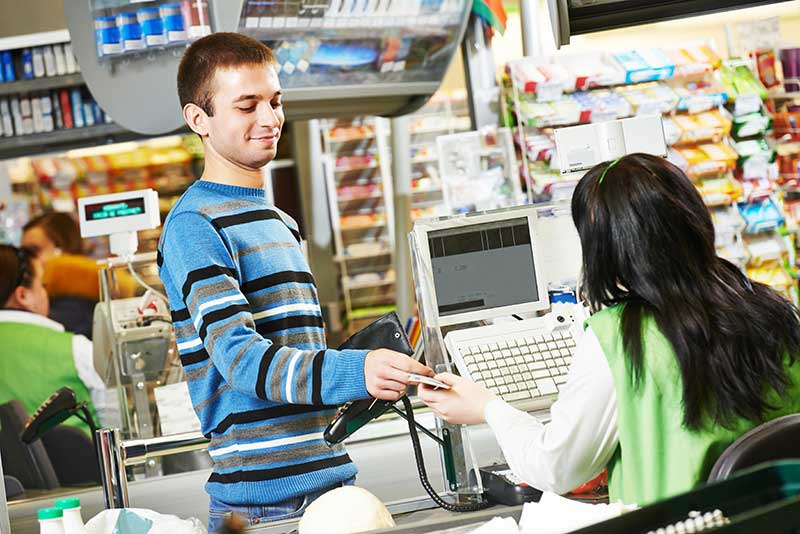
While millennials, who were the first to embrace technology, still opt to make purchases online, Gen Z, have embraced a combination of physical and digital. This is primarily because, the next generation has had easy access to tech all through their growing up years, and now they want to have a physical experience while shopping. Furthermore, while millennials prefer shopping on e-commerce platforms such as Amazon and Flipkart, Gen-Z prefers social commerce i.e. shopping on social media platforms because the latter’s algorithm, customises their shopping journey, and shows products that they like to see. What happens to the physical store then? Companies have realised that reaching this generation requires a rethink in strategy, and have employed several disruptive ways to develop an emotional connect. One recent example was when Subway in the UK decided to install a 3D billboard for customers to create sandwiches with unique toppings. What the customers did not know was that there were Subway employees in the area, making the sandwich that they had designed on the billboard. Another example is Apple. Apple has enabled technology to do away with long queues at the checkout counter. Store employees are allowed to carry out transactions on their cell phones, thereby ensuring that the customer experience isn’t compromised and they can walk out of the store as soon as they have chosen a product. These case studies are just a couple of thousand companies that are using to lure customers back to the physical store. Karthik Srinivasan, a Communications Strategy Consultant, and author of Building Social: Building Brand YOU Online, said, “A few years ago, physical/offline presence was the must-have, and digital presence was good-to-have. The tables have turned. This could only accentuate going by 5G roll-outs and more people being comfortable with e-commerce. However, even as digital presence/retail becomes a bare minimum basic (what physical retail was, earlier), retailers would need to think hard about the reason for the physical existence. If people can browse the same products seamlessly even online, why would the physical presence need to exist? Like UX (user experience) for digital, retailers would also need to think of UX for physical retail - what kind of experience would the brand/product/service demand to make it viable for users to compellingly walk in? For everything else, there would be the digital retail presence anyway,” he said.
Your email address will not be published.
